Blog
The Indianapolis Homeowner's Guide to Filing a Roof Insurance Claim
Published
Category
Guides

Storm rolled through and you're staring at missing shingles? Here's exactly how the roof insurance claim process works in Indiana, what to do in the first 48 hours, and the mistakes that get claims denied.
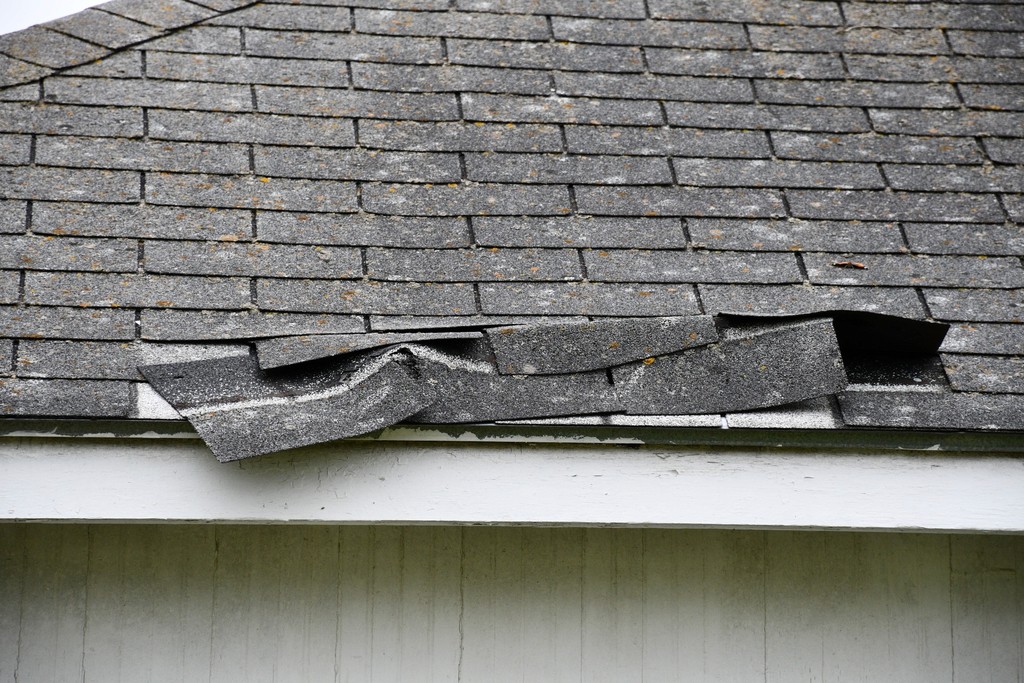
A storm rolls through Indianapolis on a Tuesday afternoon. By Wednesday morning, you're standing in the driveway looking at shingles scattered across the lawn and a dented gutter. Now what?
If you've never filed a roof insurance claim before, the process can feel like learning a new language while the clock is ticking. Most Indiana homeowners only deal with this once or twice in their lifetime, which means the rules, deadlines, and procedures are easy to get wrong. And getting them wrong can cost you tens of thousands of dollars.
This guide walks you through the entire claim process the way we wish every homeowner understood it before they ever needed to file. We work with insurance adjusters regularly on roofs across Hamilton, Marion, and Madison counties, and the patterns are predictable. The homeowners who get fully paid claims do a few specific things right in the first week. The homeowners who get denied or underpaid almost always made one of the same handful of mistakes.
Here's how to be in the first group.
What homeowners insurance actually covers on your roof
Before you file anything, you need to understand what your policy is built to do. Homeowners insurance is designed to protect against sudden, accidental damage — not wear and tear, and not gradual deterioration.
In practice, that means most Indiana policies will cover roof damage caused by:
Hail strikes during a thunderstorm
Wind damage, including lifted or torn shingles
Fallen trees or large branches
Lightning strikes
Damage from a covered fire event
Weight of ice or snow causing structural damage
What's typically not covered:
Shingles wearing out from age
Algae, moss, or general weathering
Damage from poor installation or lack of maintenance
Leaks that have been progressing for months or years before you noticed
This distinction matters because insurance adjusters are trained to look for evidence of pre-existing damage. If your roof was already at the end of its useful life when the storm hit, you may end up in a fight over whether the storm caused the loss or merely exposed it. We'll come back to this.
Your policy will also have a deductible (commonly $1,000 to $2,500 for standard perils in Indiana, sometimes higher for wind and hail) and may pay out either Replacement Cost Value (RCV) or Actual Cash Value (ACV). RCV pays what it costs to replace your roof today. ACV subtracts depreciation based on the age of the roof. A 15-year-old roof on an ACV policy may pay out less than half of what the same roof would on an RCV policy. Check your declarations page before anything else.
How long you actually have to file
This is where homeowners get tripped up fastest. There are three different clocks running, and missing any of them can sink your claim.
The notification clock. Most Indiana homeowners insurance policies require you to notify the insurer of a loss "promptly" or "as soon as reasonably possible." There's no statute that defines this precisely, but in practice, you should report damage within 24 to 72 hours of discovering it. Waiting weeks gives the insurer grounds to argue you failed to mitigate damage or that the loss happened differently than you claim.
The proof of loss clock. Once a claim is opened, most policies require a sworn proof of loss within 60 days, sometimes shorter. This is a formal document detailing the date, cause, and total amount of damage. Your adjuster will usually walk you through this, but missing the deadline can void the claim.
The lawsuit clock. If your claim is denied or underpaid and you want to sue, Indiana law gives you up to two years from the date of loss to file suit. However, your policy itself may shorten this to one year through a "suit against us" provision. Read your policy.
The short version: when in doubt, file faster. The cost of filing a claim you don't end up needing is zero. The cost of waiting too long is your entire roof.
The first 48 hours: what to do right now
If you suspect storm damage to your roof, work through this list before you make any other phone calls.
1. Document everything from the ground. Walk the perimeter of your house and take photos and video of the roof, gutters, downspouts, siding, windows, and yard. Capture wide shots that show the whole property, then close-ups of specific damage. Photograph any shingles or debris in the yard. Date-stamp matters — most phones do this automatically, but verify.
2. Photograph the inside. Check your attic and upper-floor ceilings for water stains, light coming through, or wet insulation. Even minor signs matter. Adjusters look for evidence that damage is consistent with the storm date you're claiming.
3. Note the storm details. Write down the date, time, and what you experienced. Did you hear hail? See branches come down? How long did it last? Pull up the National Weather Service event summary for that day or check Indianapolis-area hail maps. Insurance adjusters use the same data, and having dates that line up with documented storm events makes your claim stronger.
4. Make temporary repairs to prevent further damage. Your policy requires you to mitigate ongoing damage. If a tree is on your roof or shingles are missing and rain is coming, tarp the affected area or hire someone to do it. Save every receipt. These costs are reimbursable under most policies.
5. Do not climb on the roof yourself. Beyond the obvious safety issue, walking on a damaged roof can create new damage that the insurer will later attribute to you. Hire a professional inspection.
6. Call a local roofing contractor for an inspection before you call insurance. This is the single most important step most homeowners skip. A qualified contractor will tell you whether you have a real claim worth filing, document the damage properly, and meet your adjuster on-site when the time comes. Filing a claim that ends up being denied still counts against your claims history, so you want to know what you're dealing with before you open one.
How the claim process actually unfolds
Once you've documented the damage and confirmed it's claim-worthy, here's the sequence:
Open the claim. Call your insurance company's claims line or use their app. You'll be given a claim number and assigned an adjuster, usually within 1 to 5 business days.
Schedule the adjuster inspection. The adjuster will come out to inspect the roof. This is when your contractor should be on-site too. The adjuster's job is to assess damage according to the insurance company's criteria — which is not the same thing as assessing what your roof actually needs. Having a contractor present means someone is advocating for the full scope of work.
Receive the estimate and scope of loss. Within a week or two of the inspection, the adjuster will send a written estimate of what they intend to pay, along with a scope of loss describing what work is being authorized. Read this carefully. Common gaps include underpaid labor rates, missing line items like decking replacement or ice and water shield, and code upgrades that should be covered but weren't included.
Negotiate any gaps. This is where your contractor earns their keep. If the adjuster's scope misses items that are clearly damage-related, your contractor can submit a supplement — a documented request for additional payment with photos and code references attached. Most claims involve at least one supplement.
Receive payment. Insurance typically issues two checks: an initial Actual Cash Value payment after the inspection, and a Recoverable Depreciation payment after the work is completed and invoiced. If your mortgage is paid off, checks come to you. If you have a mortgage, the lender is usually a co-payee and the process gets a little longer.
Get the work done. Schedule the roof replacement, complete it, and submit the final invoice to release the depreciation holdback. Done.
The five mistakes that cost homeowners the most money
After enough claims, you start seeing the same self-inflicted wounds. Avoid these.
Mistake 1: Accepting the first estimate without scrutiny. Insurance adjusters work for the insurance company. Their first estimate is rarely the final number, but most homeowners assume it is. Always have a contractor review the scope of loss line by line.
Mistake 2: Signing an Assignment of Benefits (AOB) without understanding it. Some contractors will ask you to sign over your insurance rights so they can negotiate directly. In Indiana this is legal, but it transfers a lot of control. You can work effectively with a contractor without signing an AOB.
Mistake 3: Choosing a storm-chaser contractor. After every major hailstorm in central Indiana, out-of-state crews flood the area knocking on doors. They are often gone before the workmanship warranty matters. Hire local. Verify the contractor's Indiana presence, license, and references.
Mistake 4: Cashing the depreciation check without doing the work. Recoverable depreciation is paid on the condition that the work is actually completed. If you take the ACV payment and don't replace the roof, you forfeit the depreciation portion — which can be 30 to 50 percent of the total claim value.
Mistake 5: Waiting too long. Indiana storm seasons stack up. Hail in May, wind in July, ice in February. If you delay a claim and a new storm causes additional damage, the insurer can argue (often successfully) that the new damage masked or replaced the original loss. File while the damage is fresh and documented.
When to call a roofing contractor first
The honest answer is: any time you suspect storm damage. A free roof inspection costs you nothing and either confirms you need to file a claim or saves you from filing one that gets denied. Insurance carriers in Indiana don't penalize you for inquiries that don't become claims, but every actual claim filed (paid or denied) goes on your CLUE report and can affect future premiums.
We do free inspections across the Indianapolis metro and provide documentation you can use whether you file or not. If you do file, we work directly with your adjuster to make sure the scope of loss reflects the actual work your roof needs.
Ready to get a damage assessment? Schedule a free roof inspection with Prime 5 Exteriors. We'll come out, document everything, and walk you through whether a claim makes sense for your situation.
Frequently Asked Questions
Will filing a roof claim raise my insurance premiums? A single weather-related claim typically does not raise your individual premium, since hail and wind damage are not considered your fault. However, multiple claims in a short window or living in an area with widespread claims activity can lead to rate increases across the board. The bigger risk is non-renewal if you have several claims over a few years.
Can I file a claim on a roof that's 15 or 20 years old? Yes, but the math gets harder. Older roofs are more likely to be settled on an Actual Cash Value basis, which subtracts depreciation. Some insurers will only cover repair, not replacement, on roofs past a certain age. Check your policy's roof age clauses before assuming you have full replacement coverage.
What if my adjuster denies the claim and I disagree? You have several options. The first is asking for a re-inspection with your contractor present. The second is invoking the appraisal clause in your policy, which brings in independent appraisers and an umpire to determine the loss amount. The third is hiring a public adjuster, who works for you on contingency. Litigation is a last resort and is governed by the two-year statute of limitations.
Do I have to use the contractor my insurance company recommends? No. Indiana law gives you the right to choose your own contractor. Insurance preferred contractor programs exist for the insurer's convenience, not yours. Always get an independent estimate.
How long does the whole claim process take from start to finish? For a straightforward hail or wind claim, expect 30 to 60 days from filing to final payment if the work is completed promptly. Complex claims with supplements or disputes can stretch to 90 to 120 days or longer.
What’s better than insider perks, pro tips, and surprises?
Sign up to get the most recent blog articles in your email every week.
Other Blogs