What It Is
Flat roofing refers to low-slope roof systems covered with single-ply membrane materials such as TPO (Thermoplastic Polyolefin), EPDM (Ethylene Propylene Diene Monomer rubber), and PVC (Polyvinyl Chloride). These systems are the industry standard for commercial and industrial buildings and are increasingly popular on modern residential properties across Indiana.
Best For
Flat roofing is the go-to solution for commercial, industrial, and modern residential properties with low or minimal roof slopes.
Commercial buildings, retail centers, and office complexes
Warehouses, industrial facilities, and multi-unit properties
Modern and contemporary home designs with flat or low-pitched rooflines
Property owners looking for cost-effective, energy-efficient roofing
Buildings that need easy access for rooftop HVAC, solar, or equipment
Key features / benefits
Here's why flat roofing systems remain the top choice for Indiana commercial and residential properties.
Heat-welded seams create a virtually leak-proof barrier
Highly reflective surfaces (especially TPO and PVC) reduce cooling costs
Resistant to chemicals, UV exposure, and ponding water
Lightweight and straightforward to install, maintain, and repair
Flexible enough to handle Indiana's extreme temperature swings
Ideal for large roof areas where steep-slope materials aren't practical
Material composition
Each flat roofing membrane is built for specific performance needs and budgets.
TPO: A single-ply thermoplastic membrane with a white, heat-reflective surface — the most popular commercial flat roofing choice today
EPDM: A synthetic rubber membrane known for its flexibility, weather resistance, and long track record — typically black and available in large seamless sheets
PVC: A plastic-based single-ply membrane with excellent chemical resistance — ideal for buildings with grease exhaust like restaurants and commercial kitchens
Estimated lifespan
Flat roofing membranes offer strong longevity when properly installed and maintained.
TPO: 20–30 years
EPDM: 25–30 years
PVC: 20–30 years
Proper drainage, regular inspections, and timely repairs help Indiana flat roofs reach the upper end of these ranges.
Maintenance needs
Flat roofs need consistent attention to perform at their best through Indiana's seasons.
Schedule inspections at least twice per year and after major storms
Clear debris, leaves, and standing water regularly to prevent ponding
Inspect seams, flashing, and penetration points for wear or separation
Repair punctures, tears, or blistering promptly before moisture spreads
Keep drains, scuppers, and gutters clear for proper water flow
Visual or texture style
Flat roofs prioritize function and performance, with a clean, low-profile appearance.
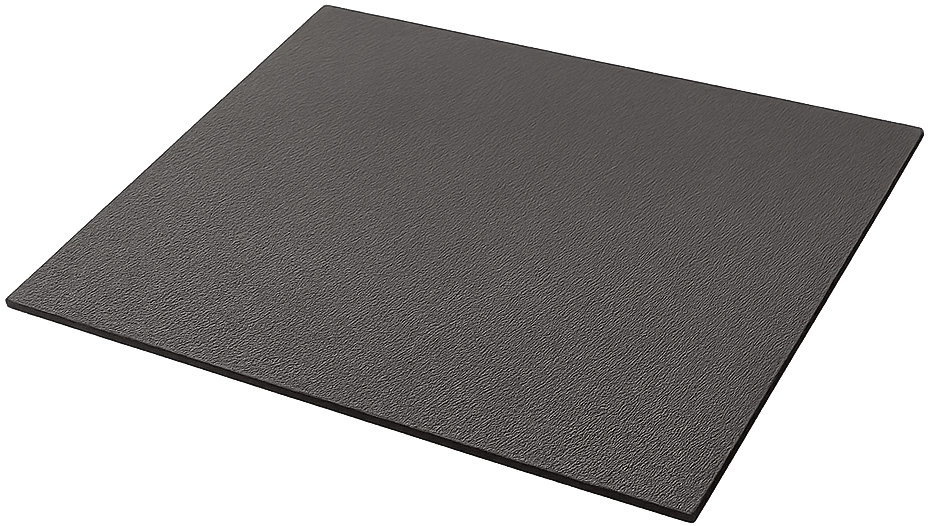
Smooth or slightly textured membrane surfaces
Typically white, gray, or black depending on energy and aesthetic goals
White TPO and PVC maximize solar reflectivity and energy savings
Some systems allow for gravel ballast or reflective coatings for added protection
Usually hidden from street view, keeping your building's appearance clean
Warranty options
Top flat roofing manufacturers back their products with strong warranty coverage.
Standard warranties range from 15 to 30 years depending on membrane and installer
Coverage typically includes membrane integrity, workmanship, and materials
Extended and no-dollar-limit (NDL) warranties available through certified installer programs
Choosing a certified installer can unlock the best warranty options available
Installation time
Flat roof installation is typically faster than steep-slope systems of similar size.
Most projects completed in 1–5 days depending on roof size and complexity
Smaller repairs and patches can often be completed in a single visit
Our crews minimize disruption to your business operations during installation
Fire & weather ratings
Flat roofing membranes are tested and rated to protect Indiana buildings from the elements.
Class A fire rating standard across most TPO, EPDM, and PVC systems
Strong resistance to UV exposure, wind uplift, and ponding water
Designed to handle Indiana's temperature extremes — from summer heat to winter freeze-thaw cycles
Hail and impact resistance available on upgraded membrane grades
Proper installation meets all local Indiana building codes and wind load requirements
Available color & style options
Flat roofing color options are focused on performance and energy efficiency.
Common colors: white (maximum reflectivity), black, and gray
White is the preferred choice for energy savings on Indiana commercial buildings
Black EPDM is standard for properties where heat absorption is not a concern
Some membranes allow for custom colors or protective topcoat finishes
Surface finishes range from smooth to lightly texture