Blog
What Is Roof Flashing? Why Bad Flashing Causes Roof Leaks
Published
Category
Tips
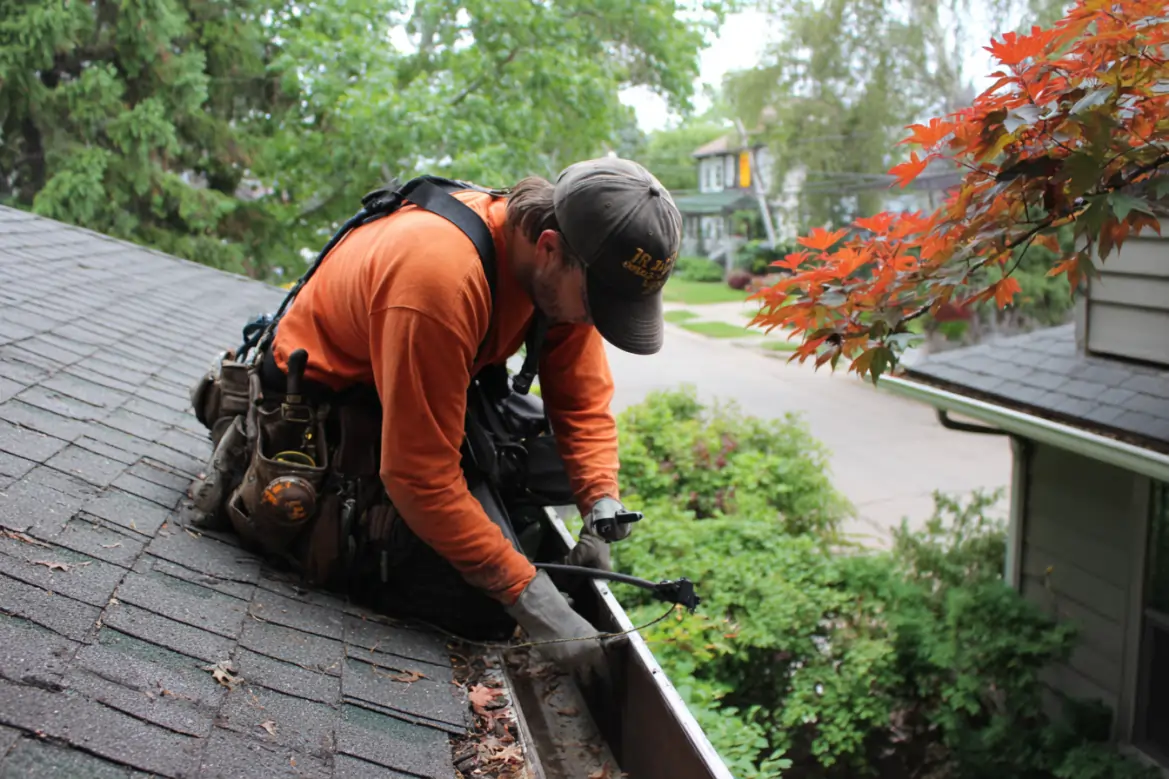
Here's something most homeowners are surprised to learn: when a roof leaks, the shingles are usually not to blame. The real culprit — in the vast majority of cases — is something called flashing. It's not glamorous, it's rarely talked about, and it's the reason so many roofs leak years before they should. Here's what flashing actually is and why it matters so much.
Here's something most homeowners don't know: when their roof leaks, the shingles are usually not the culprit. The most common source of roof leaks — by a significant margin — is failed roof flashing.
If you've never heard of flashing, you're not alone. But understanding what it is, where it lives, and how to spot problems could save you from a very expensive water damage claim.
What Is Roof Flashing?
Flashing is thin strips of metal — typically aluminum, galvanized steel, or copper — installed anywhere a roof surface meets another surface or structure. Its job is simple and critical: direct water away from vulnerable joints and transitions.
Without properly installed flashing at every transition point, rainwater follows gravity into the smallest gap and finds its way into your home.
Where Flashing Is Used
Flashing appears in more places than most homeowners realize:
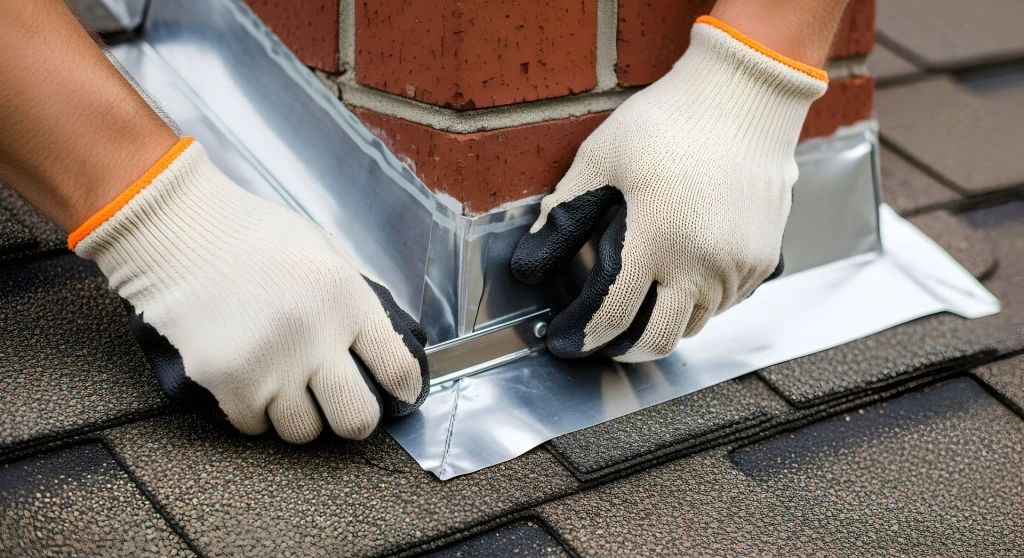
Chimney flashing: Where the chimney meets the roof slope. One of the most common leak sources, particularly as step flashing and counter flashing age or pull away from mortar.
Valley flashing: The channel where two roof slopes meet. Open valleys use exposed metal flashing to direct the concentrated water flow. Closed cut valleys use shingles — but there's still flashing underneath.
Vent pipe boots: The rubber or metal collars around plumbing vent pipes that penetrate the roof.
Skylight flashing: The integrated or retrofit flashing system around a skylight frame — a very common source of leaks on older skylights.
Step flashing: L-shaped metal pieces installed between each row of shingles where a roof meets a vertical wall (such as a dormer or addition).
Drip edge: Metal flashing along the eaves and rake edges of the roof that directs water into gutters rather than behind them.
Why Flashing Fails
Flashing fails for several reasons, many of which are invisible until a leak appears:
Age and corrosion: Aluminum flashing eventually oxidizes; galvanized steel can rust in humid Indiana conditions.
Poor original installation: Improper overlap, missed sealing, or incorrect fastening at the factory.
Thermal expansion: Metal expands and contracts with temperature changes. Over many years of Indiana's wide seasonal temperature range, seams can open.
Chimney settling: As a chimney settles slightly over time, the joint between chimney and flashing can open.
Caulk failure: Some contractors use caulk instead of proper metal flashing at transitions. Caulk deteriorates in 3–5 years and is not a substitute for proper flashing installation.
How to Inspect Your Own Flashing
From the ground (or a ladder at the eaves), look for:
Visible gaps or separation between flashing and chimney mortar
Rust or heavy corrosion on metal flashing surfaces
Missing sections of flashing, particularly around vents
Caulk that is cracked, peeling, or missing
Inside the attic, water stains on rafters or sheathing can often be traced directly to a specific flashing failure point above.
Flashing Repair vs. Replacement
Minor flashing issues — loose sections, failed caulk on a sound metal base — are often repairable without a full roof replacement. When flashing has corroded extensively, or when it was improperly installed originally, replacement during a re-roof is the right approach.
All flashing should be replaced during a full roof replacement. It's a relatively low cost compared to the re-roofing project and ensures the new roof starts with a complete, watertight system.
How Prime 5 Ensures Flashing Integrity
On every roofing project, Prime 5 Exteriors installs new flashing at every transition point. We never reuse old flashing on a new roof, and we don't substitute caulk for proper metal work. Every chimney, valley, vent, and penetration gets proper flashing before a single shingle goes down.
Experiencing a leak and not sure where it's coming from? Prime 5 Exteriors offers free roof inspections across Indianapolis, Carmel, Fishers, Noblesville, and Central Indiana. We'll find the source and give you a straight answer.
What’s better than insider perks, pro tips, and surprises?
Sign up to get the most recent blog articles in your email every week.
Other Blogs