Blog
How to Tell If Your Roof Has Hail Damage | Indiana Guide
Published
Category
Guides
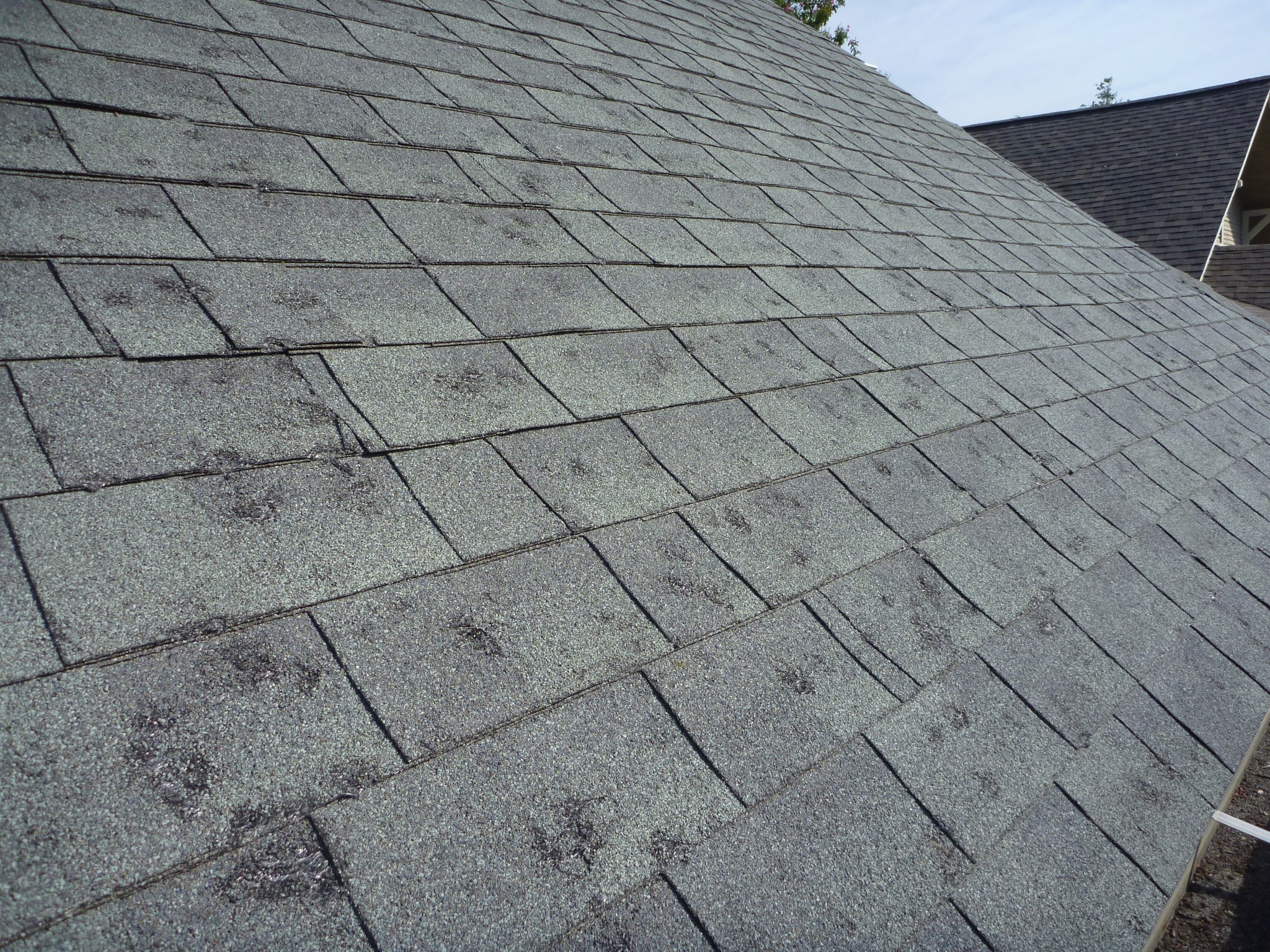
Hailstorms roll through Central Indiana every year — and the damage they leave behind isn't always obvious from the driveway. In fact, some of the most costly hail damage is completely invisible until a leak shows up months later. Here's how to actually tell whether your roof took a hit, and what to do about it before your window to file a claim closes.
Indianapolis sits squarely in the Midwest hail belt. Every spring and summer, severe thunderstorms roll through Central Indiana dropping hailstones that range from pea-sized to golf ball-sized — and the damage they leave behind isn't always obvious.
Here's how to assess your property after a hail event and when to call for a professional inspection.
What Hail Damage Looks Like on Shingles
Hail damage on asphalt shingles typically presents as:
Random dark spots or circular impressions across the shingle surface
Areas where the granule coating has been knocked away, exposing the darker asphalt mat underneath
A soft, bruised texture when pressed — similar to a bruise on an apple
Cracked or fractured shingles, particularly from larger hailstones
The key word is random. Weather damage appears scattered across the roof with no pattern. If damage appears in straight lines or concentrated areas, it may be mechanical wear rather than hail.
Hail Damage vs. Normal Wear — How to Tell the Difference
Not every mark on a shingle is hail damage. Here's how to distinguish:
Normal granule loss: Gradual and uniform across the whole roof, most visible on south-facing slopes exposed to more UV. Not typically patterned or localized.
Hail impact: Random distribution across all roof slopes. Fresh impacts will show bright, clean asphalt mat exposed under the missing granules — the color will be noticeably different from aged, oxidized loss.
Blistering: Caused by manufacturing defects or trapped moisture — appears as raised bubbles, not the flat, circular impressions of hail.
This distinction matters for your insurance claim. An experienced roofing contractor can clearly differentiate between storm damage and wear, and document it in a way that supports your claim.
Check These Areas — Not Just the Roof
Hail hits everything at once. Before climbing on your roof (which we don't recommend for most homeowners), inspect these more accessible surfaces:
Gutters and downspouts: Look for dents along the length of aluminum gutters. These are one of the most reliable indicators of hail size and intensity.
AC unit: The aluminum fins on your outdoor AC condenser are highly susceptible to hail. Dents here almost always mean your roof took a hit too.
Painted wood surfaces: Window sills, fascia, and trim boards will show fresh paint damage or spatter marks from hail impact.
Soft metal vents and caps: Roof vents, attic fan covers, and pipe boots are particularly easy to assess — they dent clearly.
If these soft metal surfaces show impact damage, there is nearly always corresponding shingle damage above.
Why Hail Damage Is Often Invisible From the Ground
This surprises many homeowners: hail damage is frequently impossible to see from street level. The granule loss and soft-impact bruising that qualify as insurance-grade damage are simply too small to observe without getting up close.
This is why storm chasers prey on homeowners — and why having a trusted, local contractor inspect your roof after a significant hail event is important even if everything looks fine from your driveway.
How Long Do You Have to File a Claim?
Indiana homeowners typically have one year from the date of the storm to file a hail damage claim, though this can vary by policy. This does not mean waiting a year is advisable — the sooner you document and report damage, the cleaner your claim will be.
After a major local hail event, insurance companies receive a surge of claims. Getting a contractor inspection and filing promptly puts you ahead of the queue.
Indianapolis and Central Indiana Hail History
The Indianapolis metro area has experienced multiple significant hail events in recent years, with storms producing golf ball-sized hail in areas including Carmel, Fishers, Noblesville, and Zionsville. Indiana averages several major hail events per year — meaning statistically, most roofs in the area have taken hail impacts at some point in their lifespan.
Had a recent storm? Prime 5 Exteriors offers free hail damage inspections across Indianapolis, Carmel, Fishers, Noblesville, and Central Indiana. We'll document everything and walk you through your options — no obligation.
What’s better than insider perks, pro tips, and surprises?
Sign up to get the most recent blog articles in your email every week.
Other Blogs