Blog
10 Roof Maintenance Tips | Indiana Homeowner Guide
Published
Category
Guides
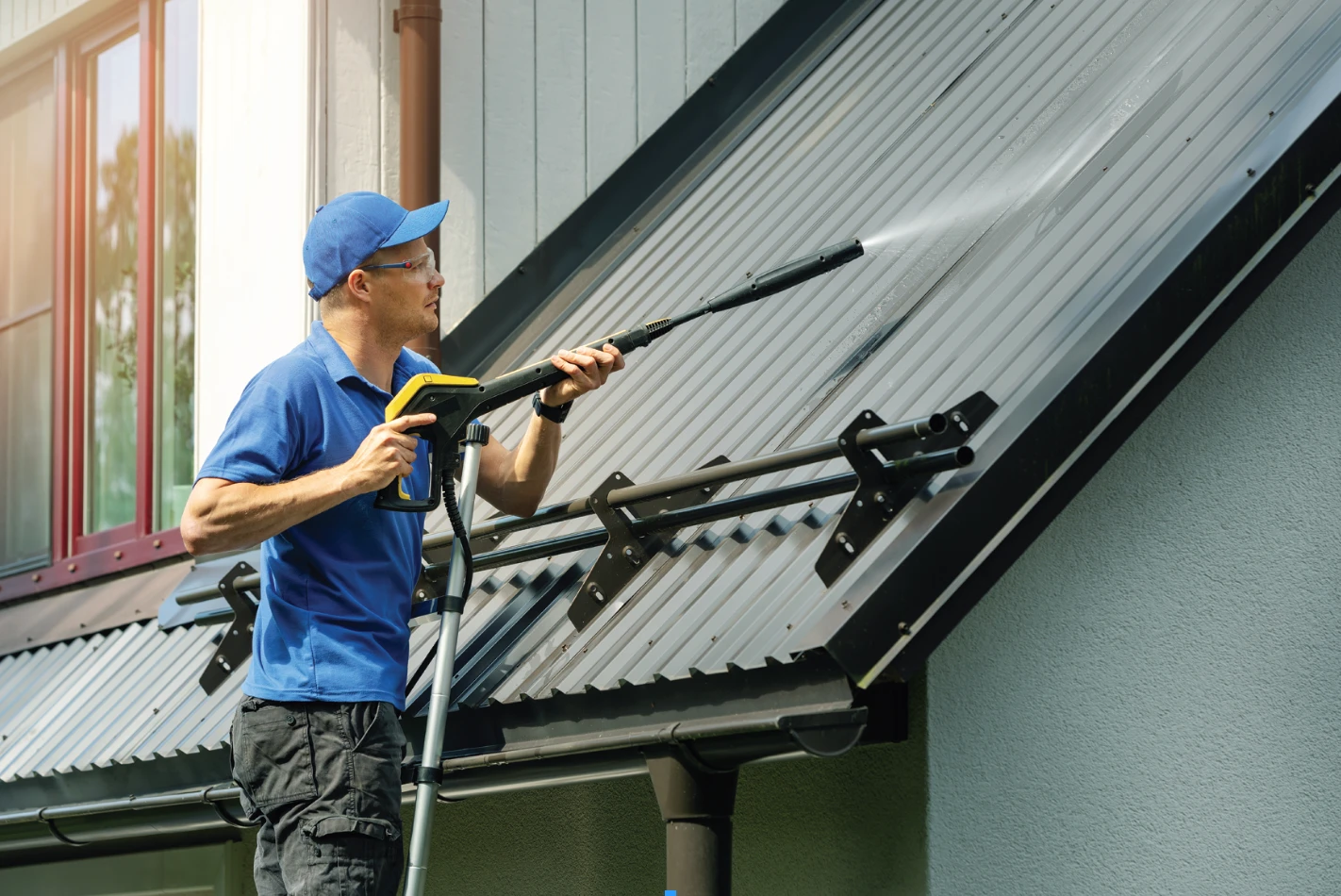
Roofs aren't cheap — but with a little love and regular care, they can last a whole lot longer than you think. Most homeowners don't realize how a few small habits can add years to their roof's life. Ready to get the most out of your investment? Here are 10 simple ways to help your roof go the distance (without climbing up there every weekend).
Most homeowners only think about their roof when something goes wrong. But a small amount of routine maintenance — most of which takes under an hour twice a year — can add years to your roof's lifespan and prevent minor issues from becoming major repairs.
Here are ten habits that make a real difference for Indianapolis-area homes.
1. Inspect Twice a Year — Spring and Fall
Do a visual inspection from the ground every spring and fall. You're looking for obviously missing or damaged shingles, visible sagging, and anything that appears different from your last inspection. Fall is the critical pre-winter check; spring lets you assess what winter did. Neither requires getting on the roof — most warning signs are visible from the ground with a pair of binoculars.
2. Keep Your Gutters Clean
Clogged gutters don't just affect drainage — they affect your roof. When gutters overflow, water backs up under the drip edge and behind the fascia board. In winter, this contributes directly to ice dam formation along your eaves. Clean gutters in late fall after leaves drop and again in spring. In Indianapolis neighborhoods with significant tree canopy, consider adding gutter guards.
3. Trim Overhanging Tree Branches
Branches that extend over your roof are a liability in two ways: they can break and fall during storms, and they deposit debris — leaves, twigs, sap — that retains moisture against your shingles. Trim branches to maintain at least a six-foot clearance from the roof surface. This also reduces the shaded, damp conditions where moss and algae thrive.
4. Address Moss and Algae Early
Dark streaking on your roof is algae; green or brown growth is moss. Both thrive in the moist, shaded conditions common on north-facing slopes of Indiana homes. Left untreated, moss physically lifts shingles, allowing water penetration. Algae is primarily cosmetic but can accelerate granule loss. Treatment options include zinc strips near the ridge (preventive) and diluted bleach solutions (active growth). Don't use a pressure washer — the force removes granules and voids warranties.
5. Check Attic Ventilation
Your attic is your roof's climate control system. Inadequate ventilation causes heat to build up in summer (cooking your shingles from beneath) and moisture to accumulate in winter (leading to ice dams and rot). Check that soffit vents are clear of insulation and that ridge vents or attic fans are functioning. Signs of poor ventilation include ice dams in winter, high cooling bills in summer, and moisture or frost on the underside of roof sheathing.
6. Seal Small Gaps Around Penetrations
Anywhere something passes through your roof — vent pipes, exhaust fans, gas lines — is a potential water entry point. Rubber pipe boot collars deteriorate in 10–15 years and are a common, easily overlooked source of leaks. A visual check of visible pipe boots and a caulk touch-up around any cracked sealants costs almost nothing and prevents a leak that can cause thousands in interior damage.
7. Do a Quick Check After Every Major Storm
After significant hail, high wind, or a severe thunderstorm, walk your property and look for obvious signs: missing shingles, displaced ridge cap, debris damage, or granules collecting at the base of your downspouts. This takes five minutes and can alert you to damage that warrants a professional inspection and, potentially, an insurance claim.
8. Keep an Eye on Flashing
Flashing — the metal strips around your chimney, vents, and valleys — is the most common source of roof leaks. From the ground, watch for visible separation at the chimney, heavy rust, or any section that appears to have lifted. If you spot a concern, call a roofing contractor rather than attempting a DIY caulk repair.
9. Don't Let Repairs Sit
A missing shingle after a storm or a small leak in the corner of a room is easy to put off. Don't. Small roof issues compound quickly, especially through Indiana's wet springs and freeze-thaw winters. A repair that costs $300 today can turn into a $3,000 interior remediation project if it's ignored through one winter.
10. Schedule an Annual Professional Inspection
DIY inspections from the ground are valuable but limited. A professional inspection involves actually getting on the roof, checking the decking condition, examining all flashing, and evaluating the overall system. Many issues that lead to leaks and early replacement are completely invisible from the ground. An annual professional inspection — most roofing companies offer this at no cost — is the single highest-ROI maintenance habit a homeowner can develop.
Prime 5 Exteriors offers free annual roof inspections for homeowners throughout Indianapolis, Carmel, Fishers, Noblesville, and Central Indiana.
What’s better than insider perks, pro tips, and surprises?
Sign up to get the most recent blog articles in your email every week.
Other Blogs